
Shoulder Arthritis

What is Shoulder Arthritis?
Arthritis is damage to the cartilage in a joint. The cartilage creates the space between the humeral head (ball side) and glenoid (socket-like side). Most commonly it is a wear and tear process that occurs over many years to decades. When arthritis occurs in the shoulder, the smooth cartilage surface becomes damaged and bone spurs grow, leading to pain, stiffness, and difficulty doing daily activities. Once the cartilage wears out, there is no space remaining between the humeral head and glenoid. This is bone-on-bone shoulder arthritis.
Types of arthritis that can affect the shoulder:
Osteoarthritis: A degenerative joint disease that occurs when the protective cartilage that cushions the ends of bones wears down over time. It is the most common form and is usually seen in older adults.
Post-traumatic Osteoarthritis: When trauma causes accelerated cartilage damage with loss of cartilage at a younger age.
Rheumatoid Arthritis (RA): An autoimmune disorder where the body's immune system attacks the synovium (the lining of the membranes that surround the joints). It can affect multiple joints, including the shoulder.
Avascular necrosis: When the blood supply to the humeral head is temporarily or permanently disrupted causing collapse of the bone and accelerated degradation of the cartilage.

Normal Shoulder X-Ray

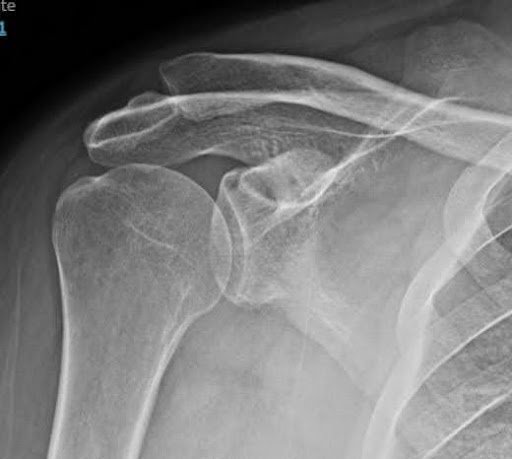
Arthritic Shoulder X-Ray
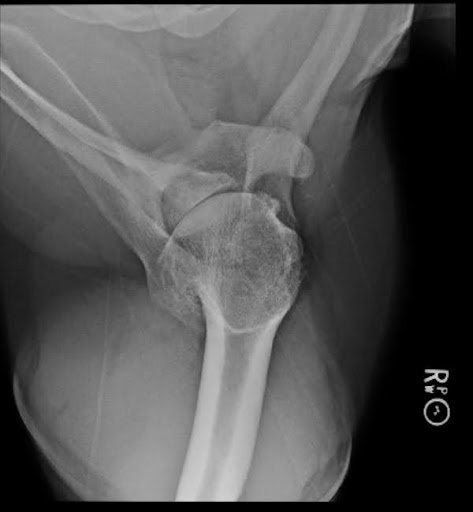

Total Shoulder X-Ray (Stem + Stemless)

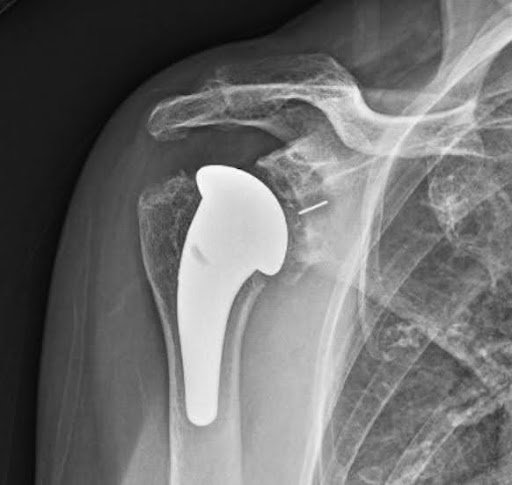

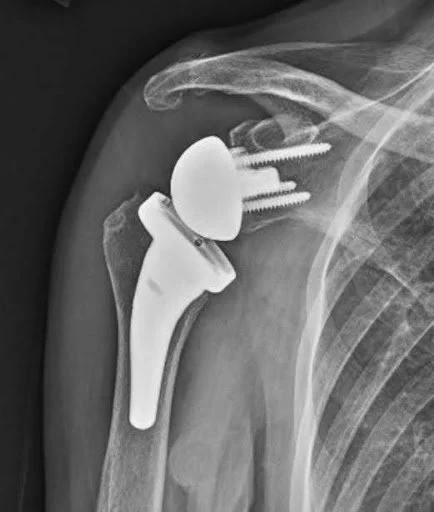
Reverse Shoulder X-Ray
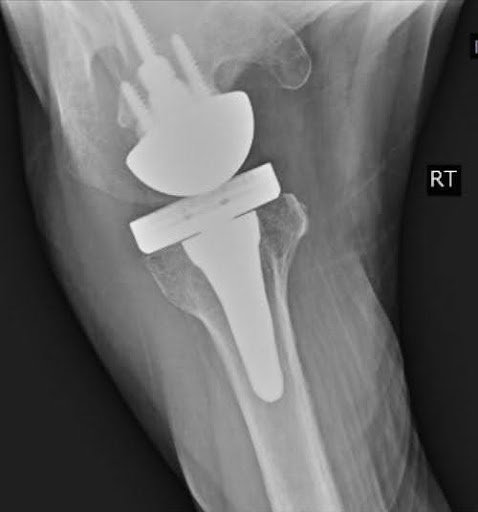
Signs and Symptoms
of Arthritis
Since the shoulder joint does not typically bear as much weight as the knee or hip joints, many patients can tolerate shoulder arthritis for a long time without knowing they have it, or may only experience mild symptoms.
-
This is the most common symptom and is usually slow and progressive. Over time as the arthritis advances, you may feel pain with more shoulder motions. The pain may worsen when lifting heavy objects or reaching above shoulder height. As the arthritis progresses, you may experience more pain at night.
-
You may feel stiffness in your shoulder and lose range of motion. These symptoms may make everyday tasks difficult.
-
Cartilage degradation and bone spurs cause the joint to lose its smooth surface. As a result, these popping, cracking, or clicking noises can occur with or without pain.
The level of pain and loss of function are important indicators of how bothersome arthritis can become. Many patients are able to modify their lifestyle and activities to compensate for shoulder arthritis. Dr. Walcott will talk to you about what activities are important to you and what activities you find difficult due to your shoulder. Together you’ll develop an individualized plan to treat your shoulder arthritis.

Treatment Options for
Shoulder Arthritis
The choice of treatment depends on the type and severity of arthritis, the patient's age, overall health, and personal preferences.
-
Pain relievers: Over-the-counter pain relievers anti-inflammatory drugs can help manage pain and inflammation.
Prescription medications: In some cases, stronger pain medications may be prescribed for Rheumatoid Arthritis.
-
Physical Therapy exercises can help improve range of motion, strengthen muscles around the shoulder, and reduce pain.
-
Avoiding activities that worsen symptoms. Using assistive devices or adaptive equipment to reduce stress on the joint.
-
Injections of corticosteroids directly into the affected joint can provide temporary relief from pain and inflammation.
-
In rare cases, hyaluronic acid injections may be used to supplement the joint fluid and provide relief. This type of treatment is normally not covered by insurance.
-
In severe cases where nonsurgical treatments are not effective at relieving pain and restoring function, surgical options may be considered:
Total Shoulder Arthroplasty: An anatomic total shoulder replacement recreates the normal anatomy of the shoulder. The humeral head (ball) is removed and replaced with a metal ball connected to a short stem (made of titanium and cobalt chrome alloys). The glenoid (the socket) is smoothed and a smooth shallow plastic cup (made from polyethylene) is securely affixed with bone cement.
The most common reason for performing a total shoulder arthroplasty is severe shoulder osteoarthritis with a healthy rotator cuff.